
Why Watts for Dilapidations?
Track record of success
We understand that every dilapidations claim is different, partly because rarely do two leases contain the same provisions, but also because the condition of the property and the intention for the property at lease end can differ significantly. Our service provision is tailored to each individual case, not an off the peg solution.
Leading expertise
As leaders in a range of services, including commercial dilapidations, we are able to face each case with a pragmatic and proactive approach. Our surveyors are used to dealing with all manner of properties, from modern industrial units, to converted aircraft hangers, listed buildings and everything inbetween.
Care for both sides
Fully conversant with the RICS Dilapidations guidance note (7th edition) and CPR Part 35, and experienced in mediations and court representation, our surveyors provide unbiased, pragmatic and commercially appropriate advice at all stages of a dilapidations claim. Whilst no dilapidations case should go to court, we give the client the best chance of success if they do.
Talk to the Dilapidations Services Expert
Watts has a proven track record working across a wide range of building types, including commercial, industrial, retail, residential, public, and historic buildings, tailoring advice to meet the specific needs of each client and their insurers.

Rob Burke
Lead Director
07540 794089 rob.burke@watts.co.ukFAQs about dilapidation
What is the difference between a condition survey and a dilapidation survey?
While a condition survey and a dilapidation survey are both used to assess the state of a property, they each serve very different purposes and are carried out at different times.
A condition survey is a general assessment of a property’s condition at a specific point in time, typically before a tenant’s lease begins or major renovations take place. This survey records the existing state of the property, including any issues or defects.
A dilapidation survey is a comparison of the property’s current condition to its condition at the start of the lease. A survey like this is used to determine if a tenant has caused significant damage, or if there is any wear and tear that needs to be repaired before the property can be returned to the landlord.
How long does a dilapidation survey take?
How long a dilapidation survey takes to conduct can vary depending on the size and complexity of the property, as well as the extent of any damage found. However, a typical dilapidation survey can take anywhere between a few hours to a full day. If the property is larger or more complex, it may take longer. Please note that this is just an estimate, and the actual time required can vary. Speak to our team for a more accurate estimation.
What is the purpose of dilapidations?
Dilapidations are a legal concept that ensures a tenant is responsible for returning a property to its original condition at the end of a lease, minus normal wear and tear such as minor scratches, fading paint, or age-related deterioration.
The main purposes of dilapidations are to:
-
Protect the landlord's investment
-
Maintain the property's condition
-
Resolve disputes
Our Projects

Brodick Castle
Isle of Arran
Following Watts undertaking a condition survey of the Category A listed Brodick Castle located on the Isle of Arran, we were appointed by the National Trust for Scotland to develop a scheme of external fabric repairs to the Castle as identified in the condition survey.
Find out more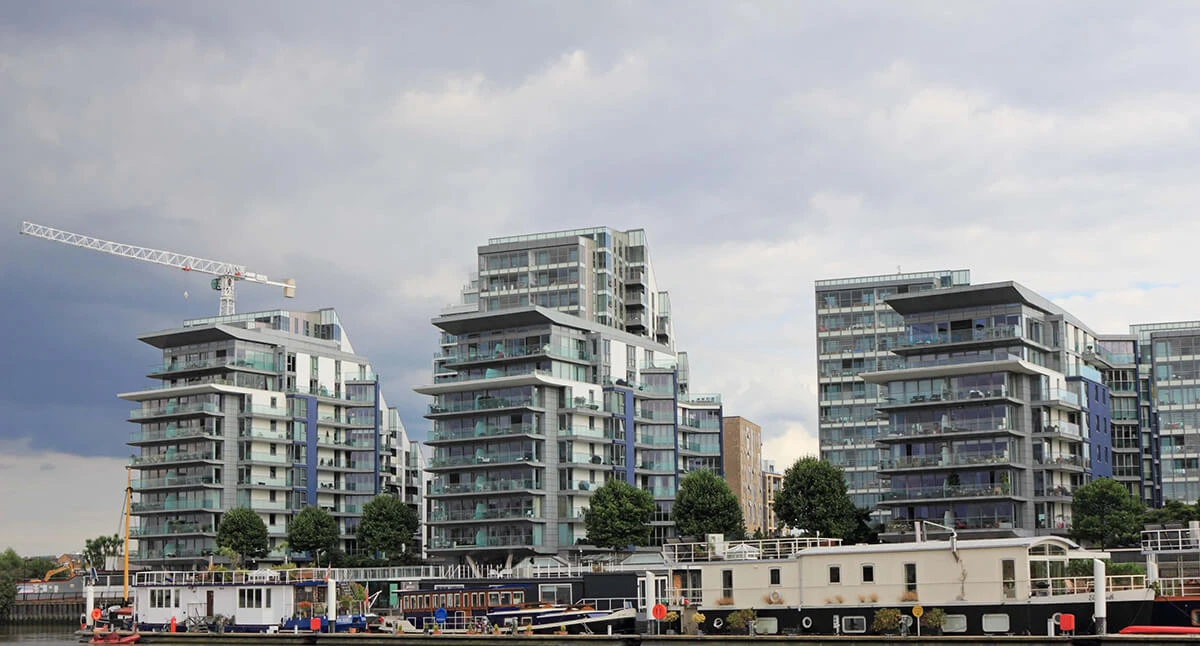
Wandsworth Riverside Quarter
London SW18
Discover how Watts provided expert building surveying and M&E engineering services for Wandsworth Riverside Quarter. Our comprehensive PPM schedules and capital programmes support long-term asset management across nine contemporary residential blocks by the Thames.
Find out more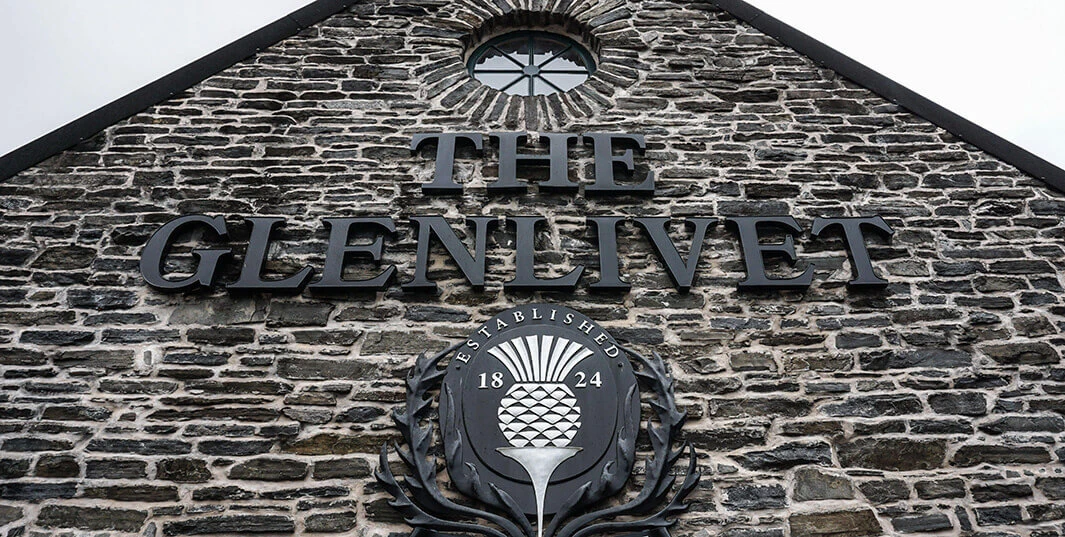
Glenlivet Estate
Scotland
Crown Estate Scotland is the guardian of significant property and marine assets across Scotland and has a significant role to play in Scotland's economic and environmental landscape.
Find out more